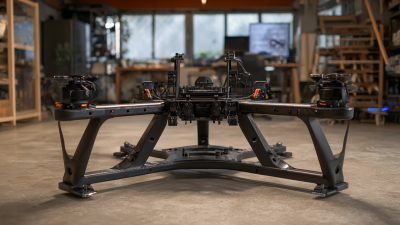
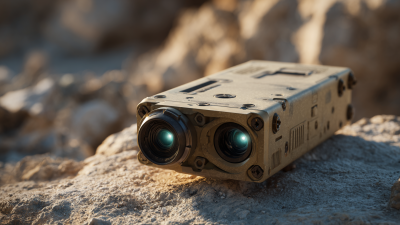
You know, the rapid progress in Inertial Platform tech has really put it in the spotlight when it comes to innovation in navigation and control systems. I mean, just look at what they showcased during the 2025 China Import and Export Fair — pretty impressive stuff. The global market for inertial navigation systems is projected to hit around $15.3 billion by 2026, mainly because more industries are craving super accurate navigation solutions nowadays. Companies like Poseidon International Group (Hong Kong) Limited are really playing a key role in this whole scene. They've been around since 2013, focusing on independently researching, designing, and manufacturing fiber optic gyroscopes (FOG), inertial navigation systems (INS), and cutting-edge autonomous driving tech. What really stands out is their strong portfolio of patents, which shows they're serious about pushing the boundaries and ensuring top-notch performance and reliability. As this industry keeps growing, it’s clear that these innovations are more important than ever, paving the way toward a future where navigation is more autonomous and precise than we could have imagined.
Innovations in Inertial Platforms at the China Import and Export Fair
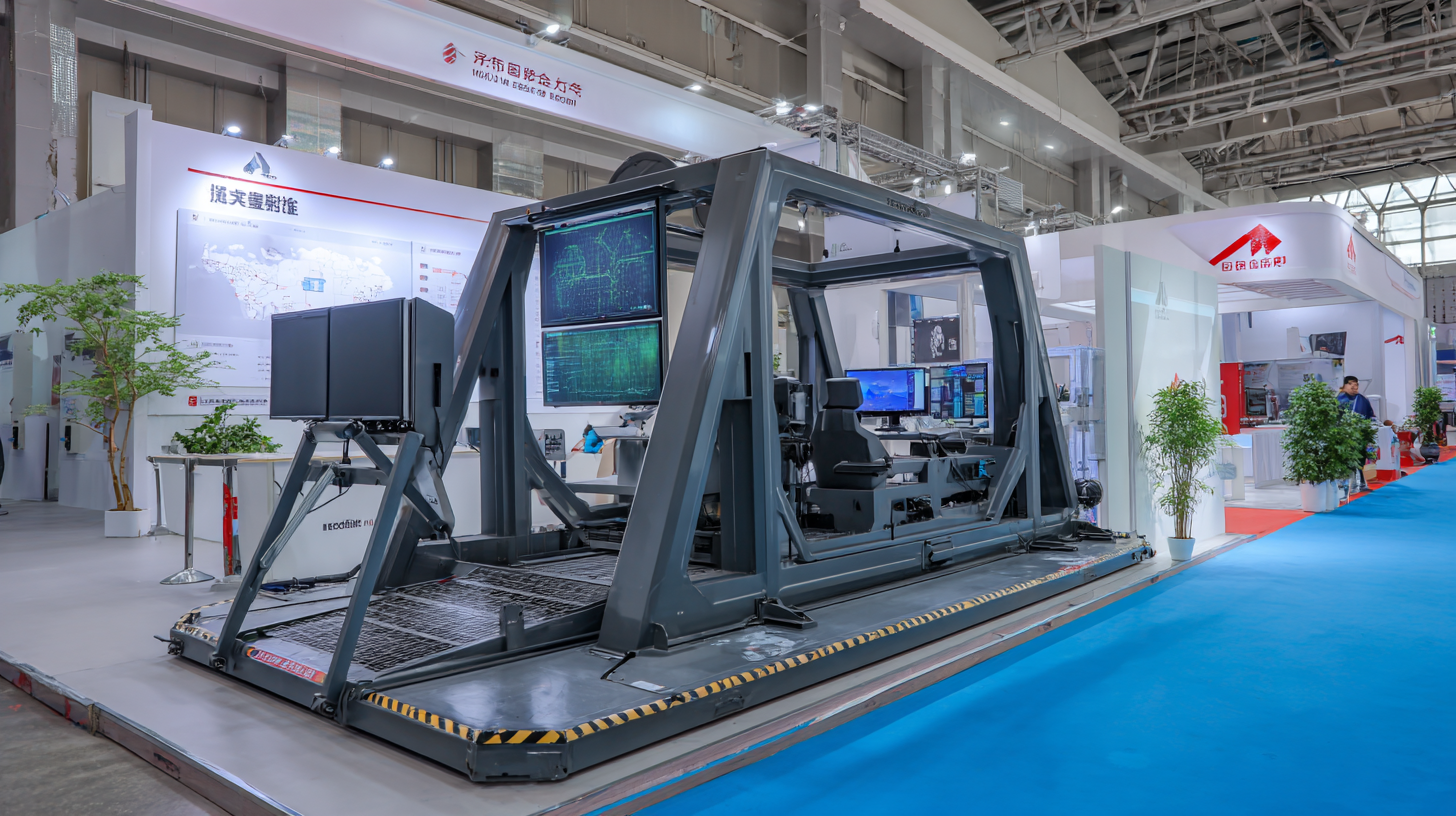
The China Import and Export Fair is truly a key event on the global trade scene, and it's become a major stage for showcasing the latest innovations—especially in inertial platforms. These tech advancements are really starting to play a big role across various industries like aerospace, robotics, and automotive. At the 2025 fair, folks got a first look at cutting-edge inertial measurement units (IMUs) and navigation systems that aim to offer better accuracy and dependability. It's exciting because these developments are paving the way for smarter autonomous vehicles and more efficient manufacturing processes.
One of the coolest parts was seeing new algorithms that boost how inertial sensors perform even in tough environments—making them more stable and precise. Exhibitors showed how these innovations can slot into existing systems pretty smoothly, giving a performance boost without needing a complete overhaul. There was also a lot of talk about how inertial platforms could be a game-changer for IoT applications, helping us build a more connected and smarter tech world. As industries keep evolving, the buzz around inertial platform tech at the fair really highlights just how important these advancements are for shaping the future of technology.
Key Players in the Inertial Platform Sector Presenting Developments
The inertial platform industry is really making some exciting strides lately. During big events like the 2025 China Import and Export Fair, some of the major players showed off some pretty innovative tech. One thing that’s catching a lot of attention is how everyone’s focusing on miniaturizing these navigation systems—making them smaller and lighter, you know? It’s a smart move because, let’s be honest, everyone’s into gadgets and systems that are compact yet powerful, especially when it comes to unmanned vehicles. These days, they’re popping up all over the place, across different sectors worldwide.
Inertial Platform Innovations at the 2025 China Import and Export Fair
The chart below illustrates the advancements in inertial platform technology presented at the 2025 China Import and Export Fair, highlighting key developments in various technical dimensions.
Technological Advancements in Inertial Navigation Systems Highlighted
So, at the 2025 China Import and Export Fair, we saw some really cool advancements in inertial navigation systems (INS). It’s pretty clear that this field is making some serious leaps forward. If you look at the numbers, according to MarketsandMarkets, the global INS market was around $10.1 billion in 2020, and they’re expecting it to hit about $16.3 billion by 2025—talk about growth! That’s roughly a 10% increase each year. A big reason for this boom is the rising need for super accurate navigation and positioning, especially in sectors like aerospace, cars, and ships. Pretty much everywhere, really.
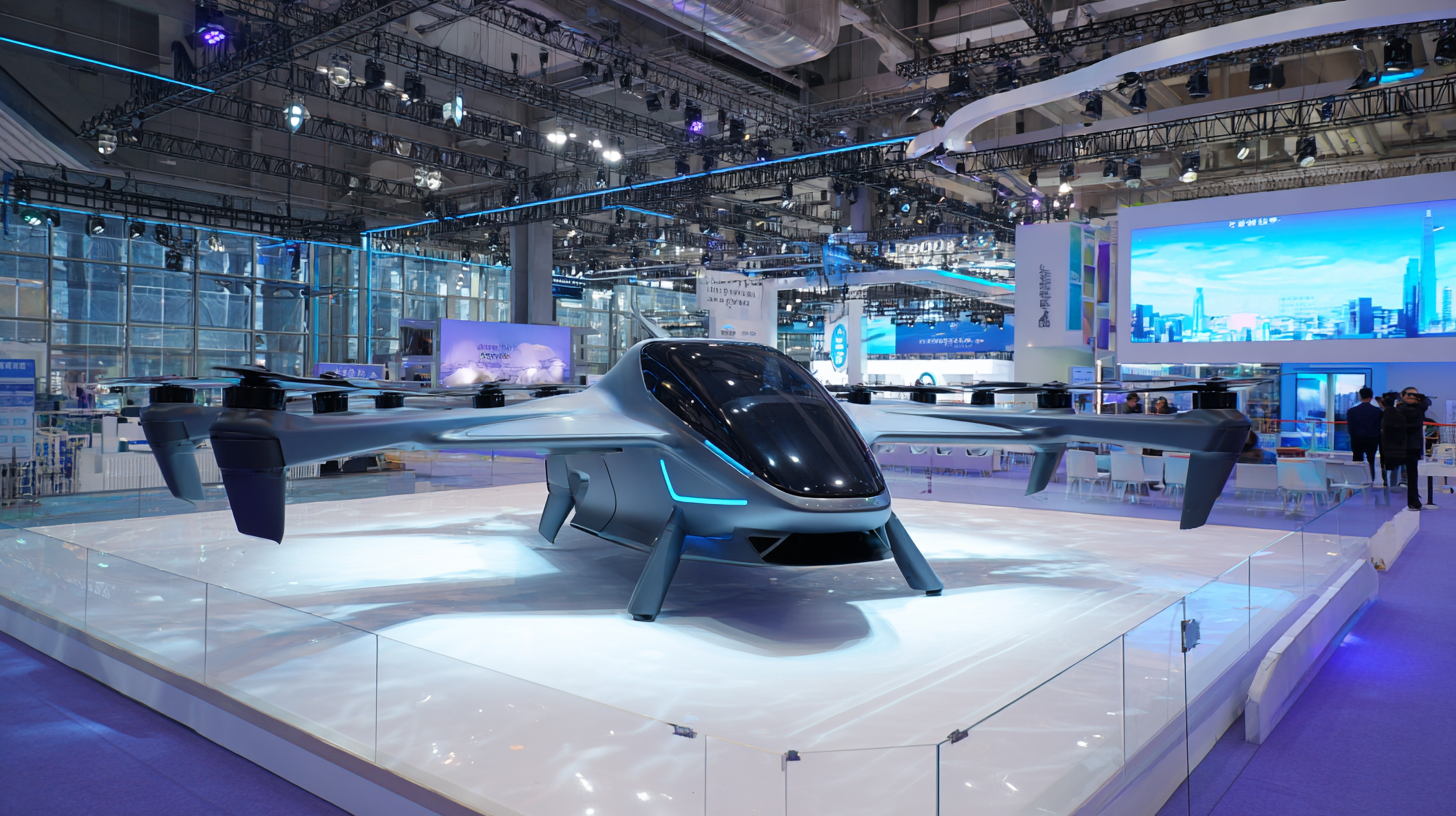
During the fair, several companies showcased new INS tech that’s designed to be more precise and reliable. One highlight was how they’re using micro-electromechanical systems, or MEMS, which have made sensors smaller and way more efficient—without sacrificing performance. From what ResearchAndMarkets reports, the MEMS inertial sensor market is expected to hit nearly $6 billion by 2025, mainly thanks to more applications in consumer gadgets and car safety tech. These tech upgrades aren’t just about making stuff easier to produce—they’re opening up a whole new world of possibilities, especially in robotics and self-driving vehicles. It’s honestly transforming how industries operate these days.
Market Trends and Future Prospects for Inertial Platforms in China
So, at the 2025 China Import and Export Fair, they showcased some really cool innovations in inertial platforms, and honestly, it gave a pretty clear picture of where this tech is headed in China. These platforms are pretty essential—they help with navigation and stabilization in all sorts of applications, from aerospace to robotics—and recently, they've seen some major improvements. That’s mainly because there's this buzz for more precise and reliable systems, especially in fields like automotive tech and aerospace. Plus, with AI and machine learning getting more integrated, these platforms are becoming smarter and more independent, which totally boosts their performance.
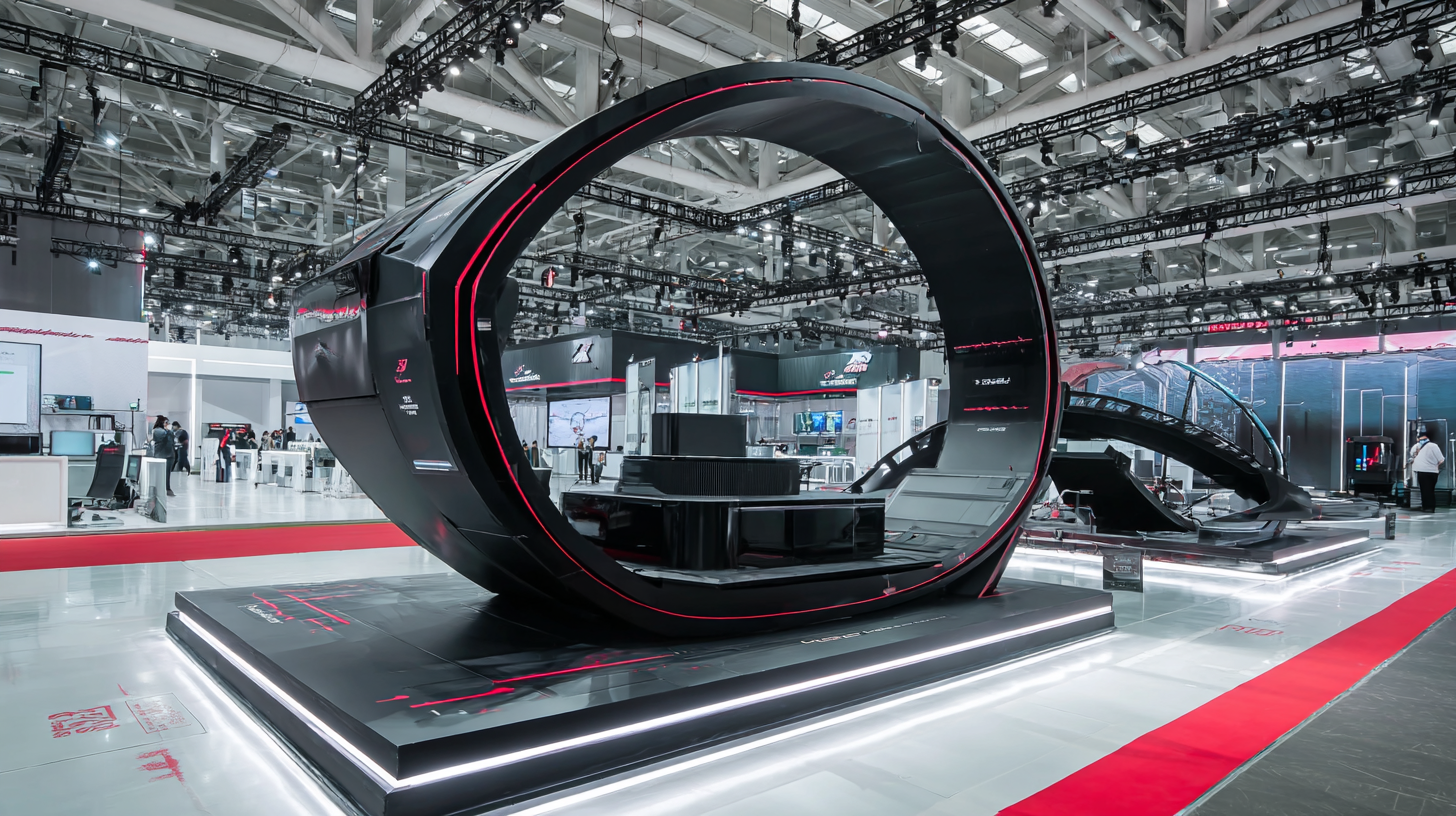
Looking ahead, things look pretty exciting for inertial platforms in China. The country is pouring a lot of resources into R&D, and you can really see it in how they’re pushing forward. With the rise of smart transport and self-driving cars, the need for top-notch inertial sensors is only growing. Also, as China’s manufacturing gets better and more advanced, they’re really positioning themselves as a major player on the global stage. It’s not just about being self-sufficient anymore; it also opens up new opportunities for international partnerships and fresh ideas, which is pretty awesome to think about.
Collaboration Opportunities in Inertial Technologies Explored at the Fair
The 2025 China Import and Export Fair is shaping up to be quite the hotspot for anyone interested in inertial technologies and collaboration opportunities. It’s set to bring together industry giants who’ll be showcasing some pretty exciting innovations—especially those that leverage inertial platforms. These tech solutions are really catching on because they help improve precision across all sorts of fields, like aerospace, defense, and robotics. And, based on recent reports, the market for inertial navigation systems is expected to grow a lot—over 7% annually from 2022 to 2027. That’s a clear sign there’s a rising demand for even more advanced inertial solutions out there.
Just take a look at partnerships like Inertial Labs working with E38. They're combining cutting-edge tech—like Lidar—into drone platforms, and it’s opening up all kinds of smarter, more efficient applications. When companies adopt these advanced inertial systems, they’re not just boosting their operations—they’re also creating new opportunities for their teams and empowering employees with innovative tech.
If you're serious about staying ahead of the game, participating in collaborative projects that tap into inertial tech is a smart move. Attending trade fairs like this isn’t just about seeing cool stuff—it’s a goldmine for networking and gaining insights. Plus, organizations should keep learning and adapting because the tech landscape is always changing, and staying flexible is key to staying competitive.
Inertial Platform Innovations Showcased at 2025 China Import and Export Fair
| Innovation Type |
Description |
Potential Applications |
Collaborative Opportunities |
| MEMS Inertial Sensors |
Miniaturized sensors for motion and orientation detection. |
Smartphones, drones, and automotive systems. |
Joint development projects in consumer electronics. |
| Navigation Algorithms |
Advanced algorithms for precise positioning using inertial data. |
Autonomous vehicles and robotics. |
Collaborative research in AI and machine learning. |
| Gyroscope Innovations |
New gyroscope designs for improved performance. |
Aerospace, gaming and virtual reality. |
Synergies with aerospace technology companies. |
| Inertial Measurement Units (IMUs) |
Compact devices that combine accelerometers and gyroscopes. |
Industrial automation and health monitoring. |
Partnerships with healthcare technology innovators. |
Impact of Inertial Platform Innovations on Various Industries
You know, the latest breakthroughs in inertial platforms really have the potential to shake up a bunch of different industries. I mean, just look at the buzz from the 2025 China Import and Export Fair—it was clear that these tech advances are here to stay. The global market for inertial navigation systems is expected to jump from around $13.65 billion in 2025 to a whopping $24.28 billion by 2032. That’s roughly an 8.6% annual growth rate—pretty impressive, right? This trajectory makes sense when you think about how much technology keeps evolving, especially in areas like self-driving cars, aerospace, and defense. Accurate navigation and control are more crucial than ever in those fields.
Speaking of leading players, Poseidon International Group (Hong Kong) Limited has been around since 2013, and they’re really caught up in this wave of innovation. They focus on researching and manufacturing fiber optic gyroscopes and inertial navigation systems, all aimed at making various applications better and smarter. Their work on attitude and control systems, along with autonomous driving tech, isn’t just propelling market growth—it’s helping transform entire industries that depend on pinpoint navigation and positioning. Pretty exciting stuff, right?
FAQS
: The focus is on cutting-edge innovations in inertial platforms, particularly inertial measurement units (IMUs) and navigation systems, which promise enhanced precision and reliability for various industries.
The new algorithms improve the performance of inertial sensors in challenging environments, providing superior stability and accuracy.
Inertial platforms are integral in creating a more interconnected and efficient technological ecosystem through their applications in IoT technologies.
The development of miniaturized components is crucial as it aligns with the demand for compact and efficient technologies, especially needed for unmanned vehicles.
The global INS market is expected to grow from $10.1 billion in 2020 to approximately $16.3 billion by 2025, indicating a compound annual growth rate (CAGR) of 10.0%.
The integration of MEMS results in smaller, more efficient sensors that enhance accuracy and reliability without compromising performance.
The aerospace, automotive, and maritime industries are significant drivers of the demand for precise navigation and positioning technologies.
Innovations in inertial navigation systems are expected to enhance navigation accuracy and overall performance, positioning the sector at the forefront of the unmanned vehicle industry.
The MEMS inertial sensor market is projected to reach $5.9 billion by 2025, driven by increasing applications in consumer electronics and automotive safety systems.
The innovations streamline production processes and open new applications in robotics and autonomous vehicles, significantly transforming how industries operate.
Conclusion
So, the 2025 China Import and Export Fair really showcased some pretty exciting stuff in the world of Inertial Platforms. It was packed with highlights on the latest in inertial navigation systems and the newest innovations from the big players in the game. Industry leaders took the stage to show off their cutting-edge tech — honestly, it's clear these advances are about to shake things up across various industries. The fair was also a great place to get a sense of the current market trends and what's on the horizon for Inertial Platforms in China. Plus, there was a lot of talk about collaboration opportunities that could really boost the growth of inertial tech down the line.
One company that’s really been making waves is Poseidon International Group (Hong Kong) Limited. They’ve been around since 2013 and are pretty much at the forefront of this tech evolution, focusing on research and manufacturing of fiber optic gyroscopes, inertial navigation systems, and autonomous driving tech. With several patents under their belt, they’re playing a key role in pushing the boundaries of what inertial platforms can do — especially at a time when the industry is craving more sophisticated navigation and control solutions.
All in all, it’s an exciting space to watch, and companies like Poseidon are leading the charge into the future of inertial technology.

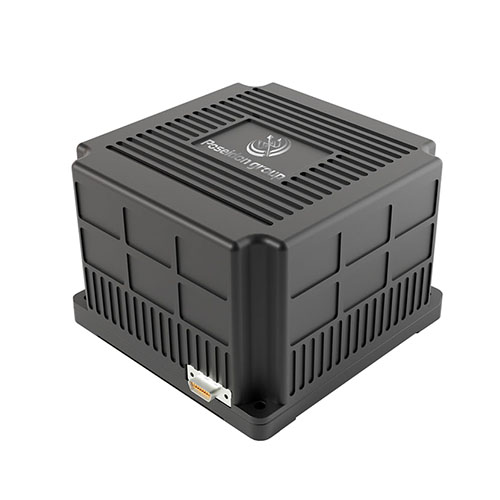 TBSD60
 BSD120
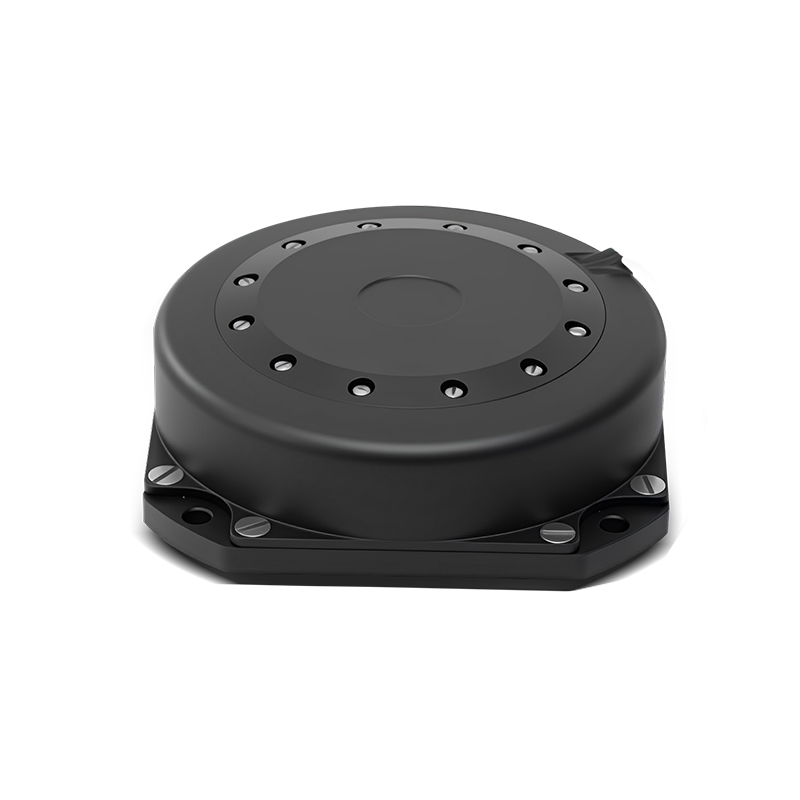 BSD98
BSD98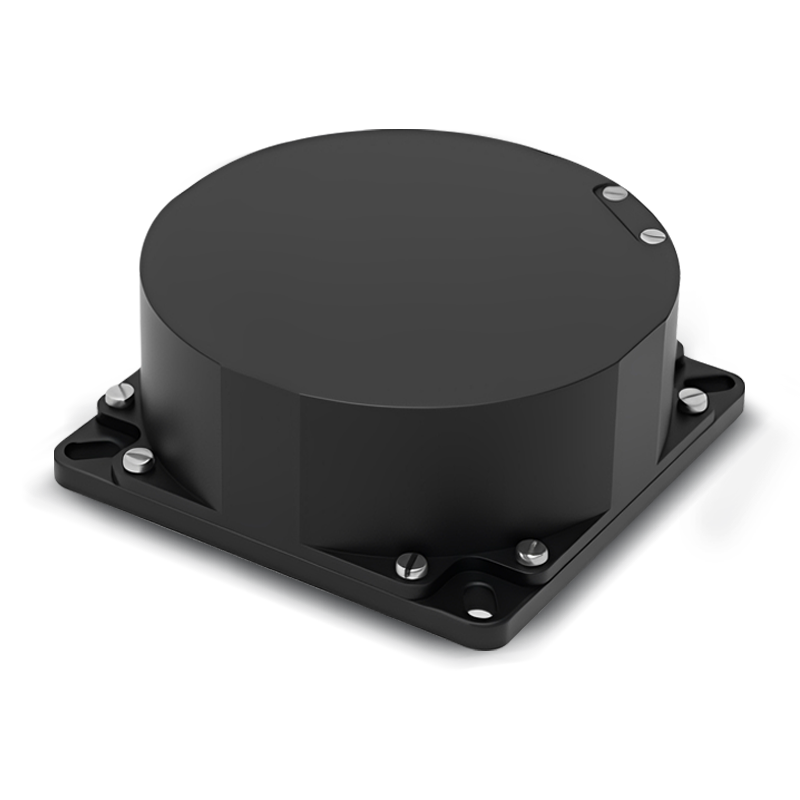 BSD70
BSD70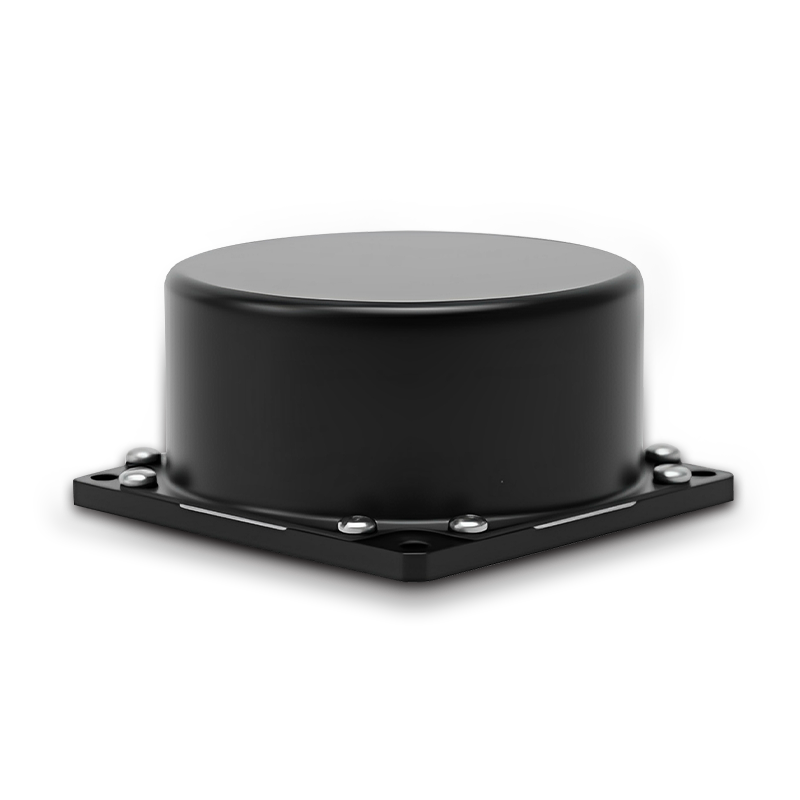 BSD60
BSD60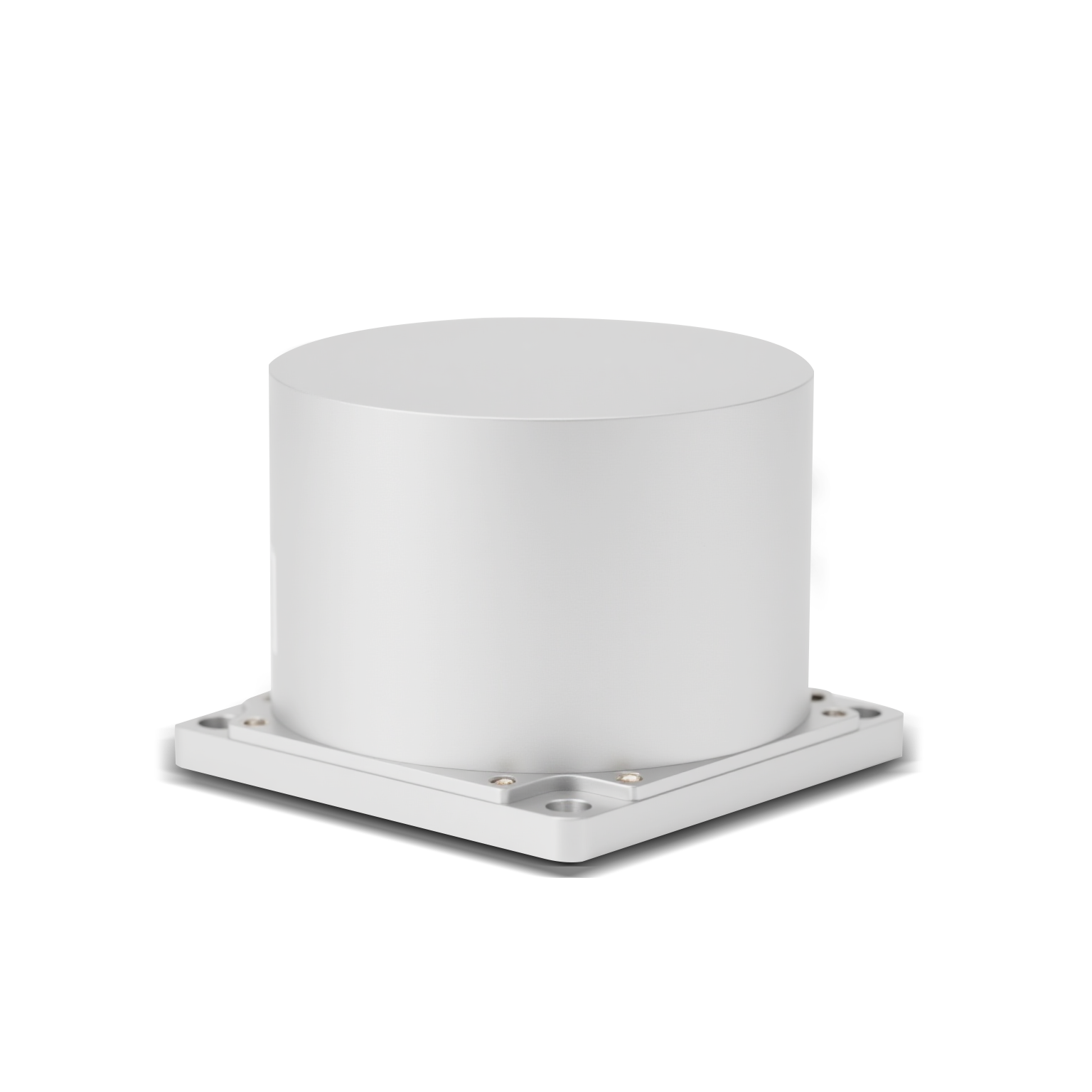 BSD50
BSD50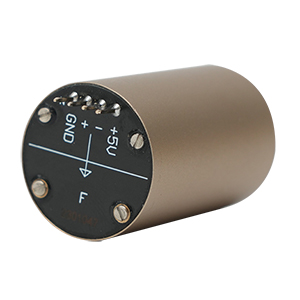 BSD217
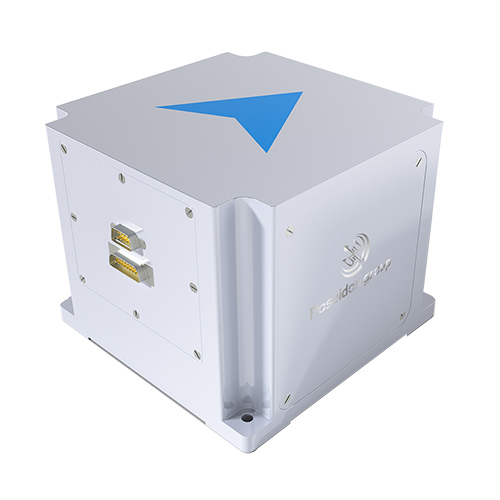 INS1700
 INS970
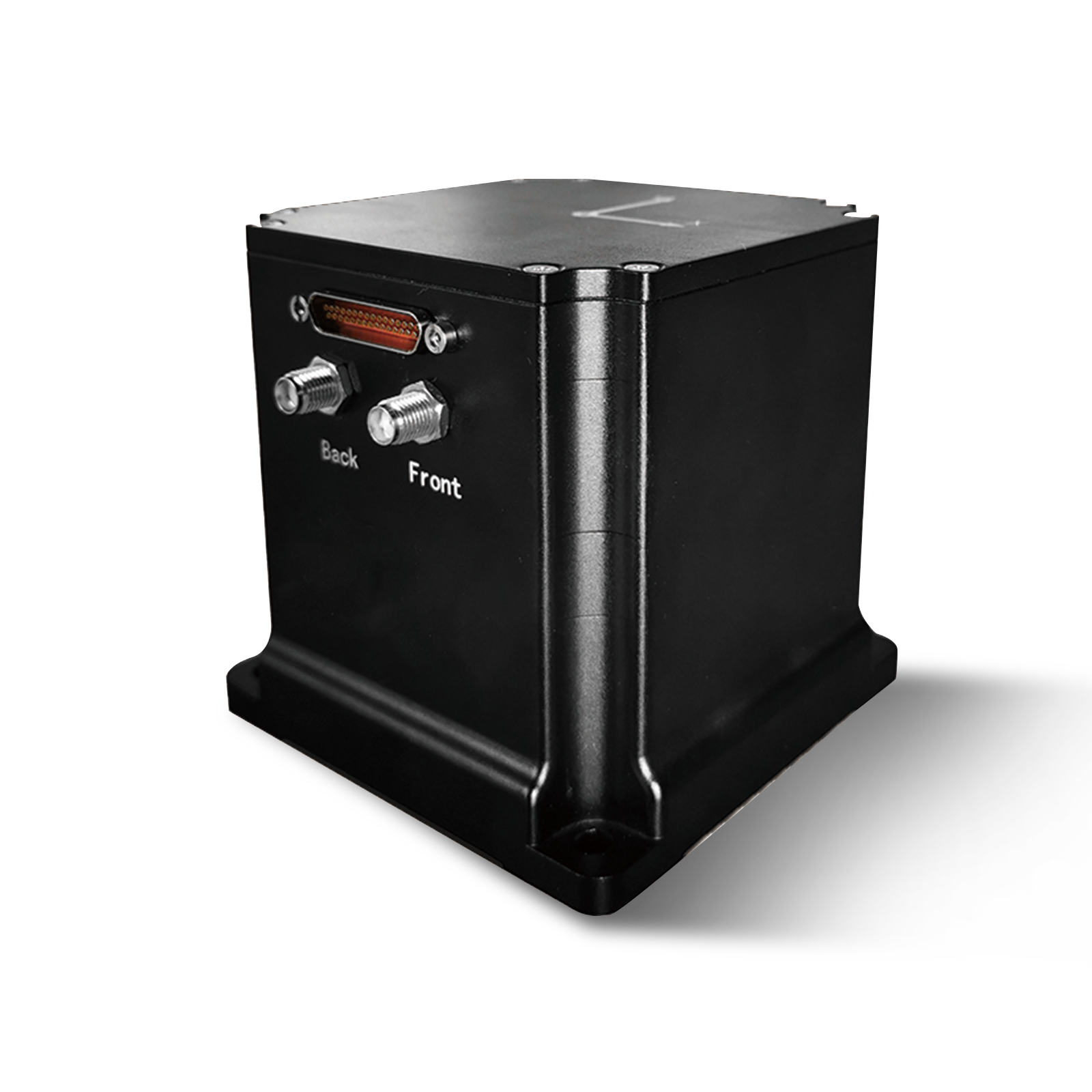 INS570
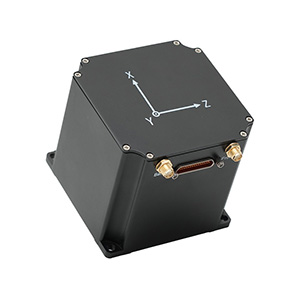 INS170
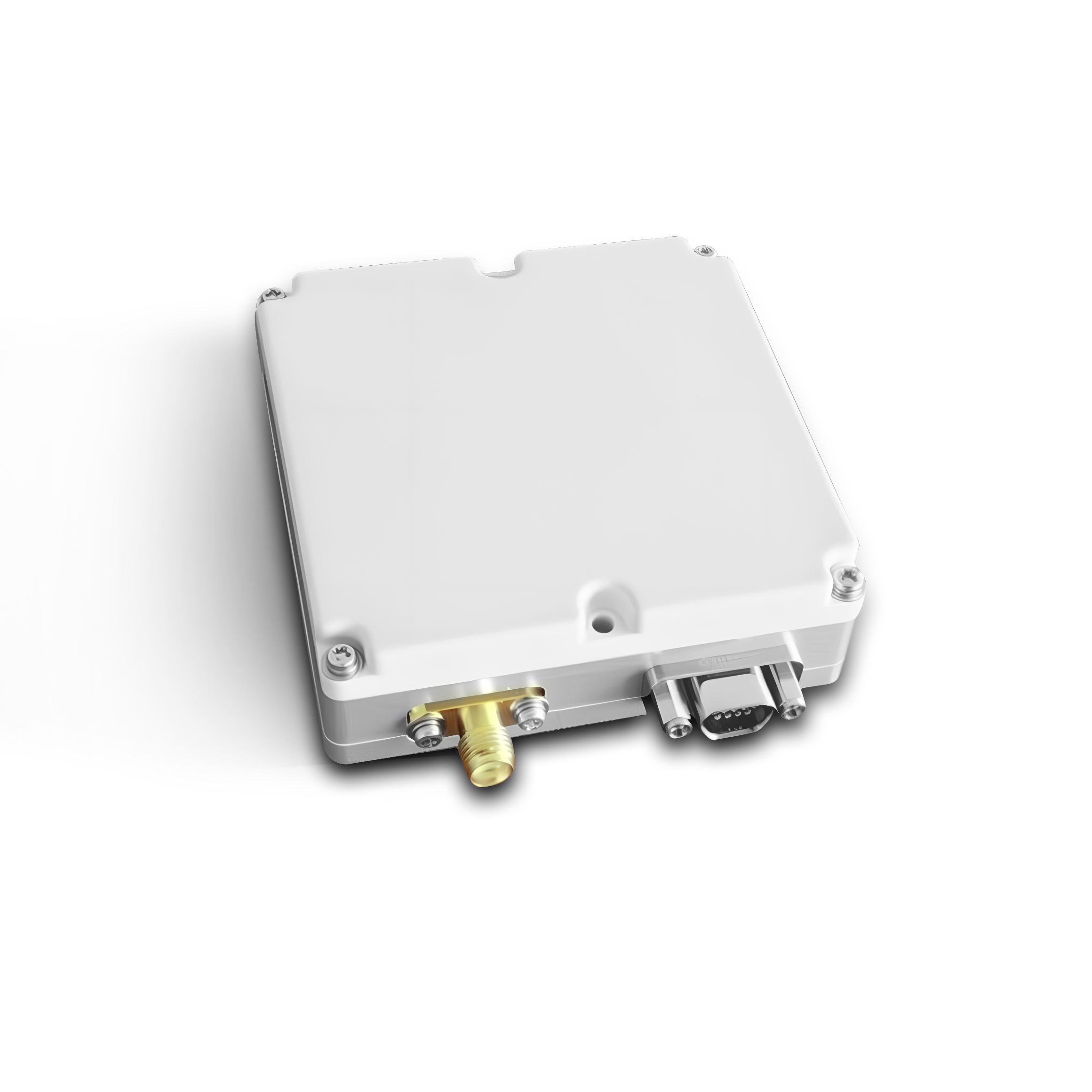 SLA-4B1L1-65
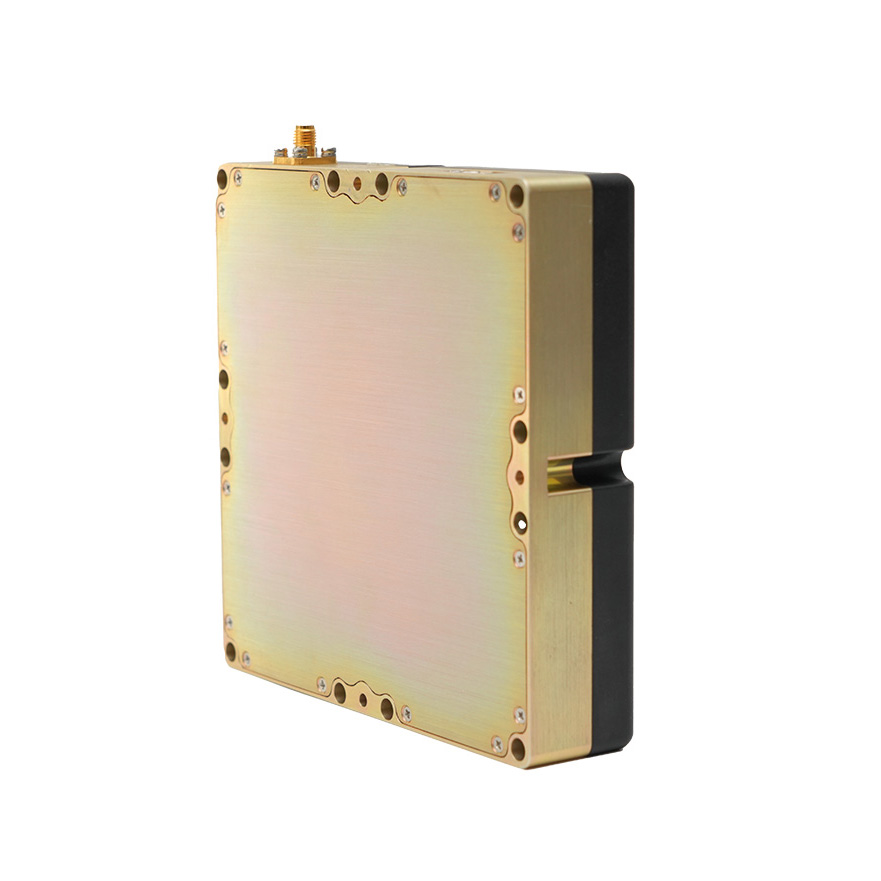 SLA-4B1L1-130
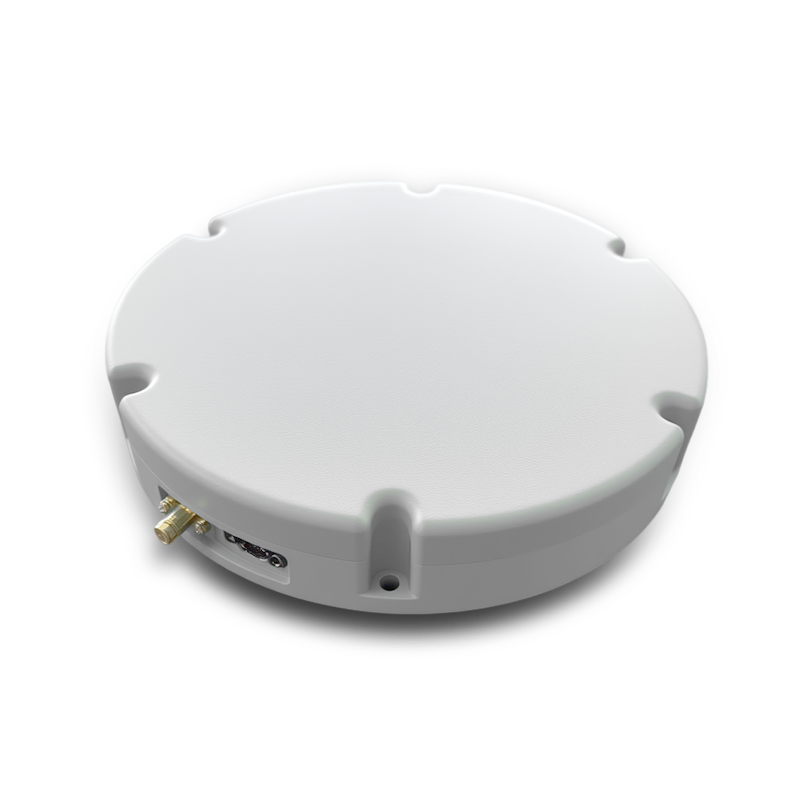 SLA-8B1L1-165
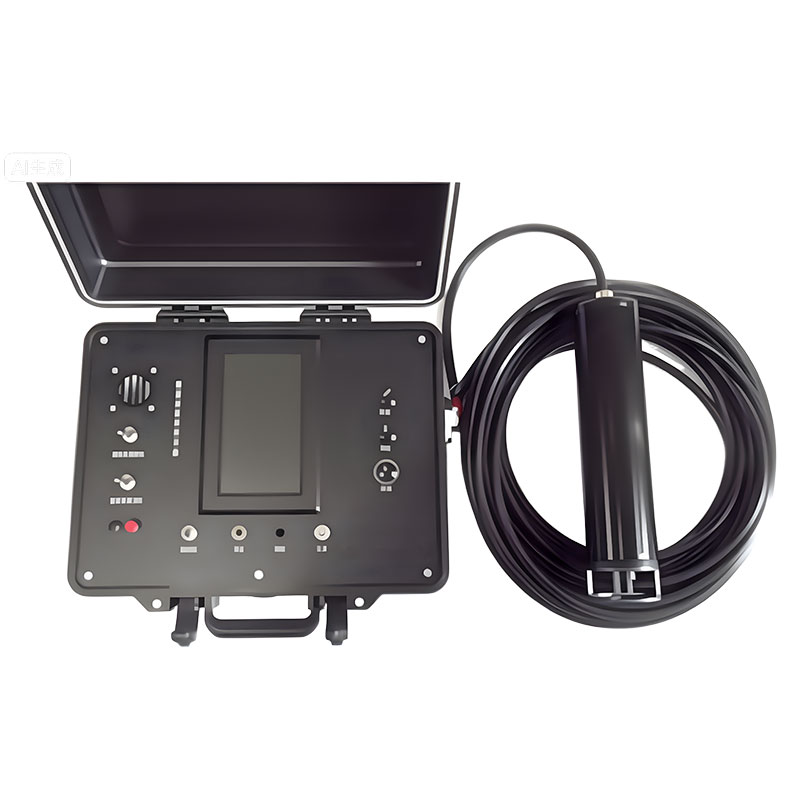 DIVER 101
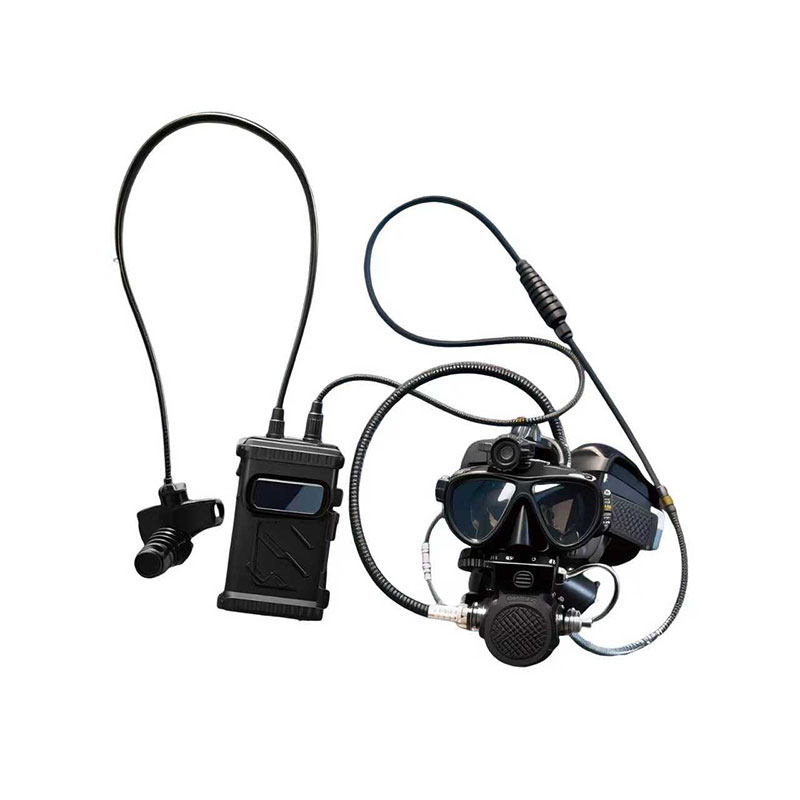 DIVER 102
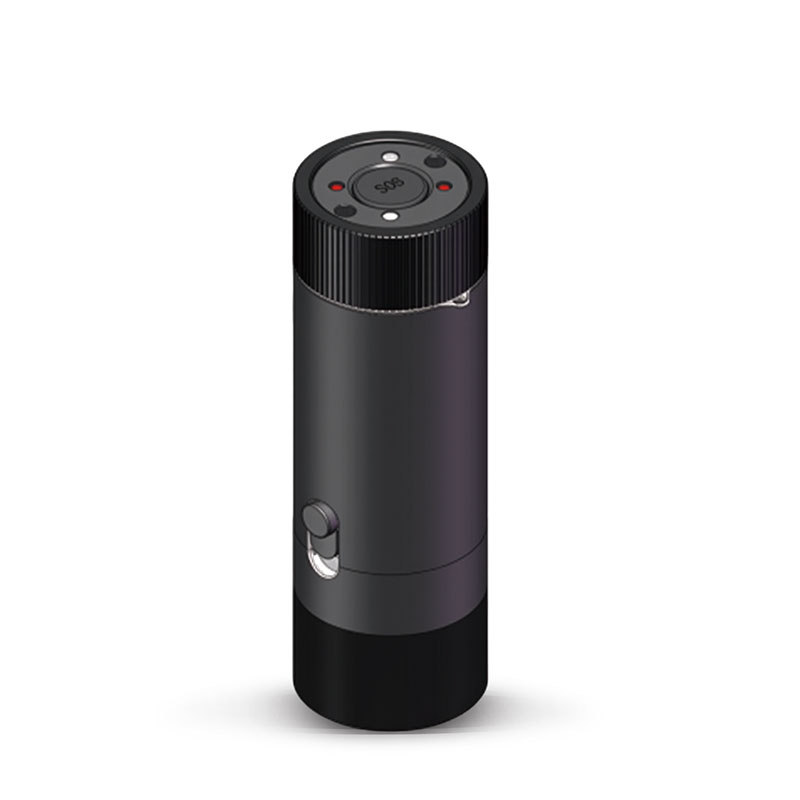 DIVER 103
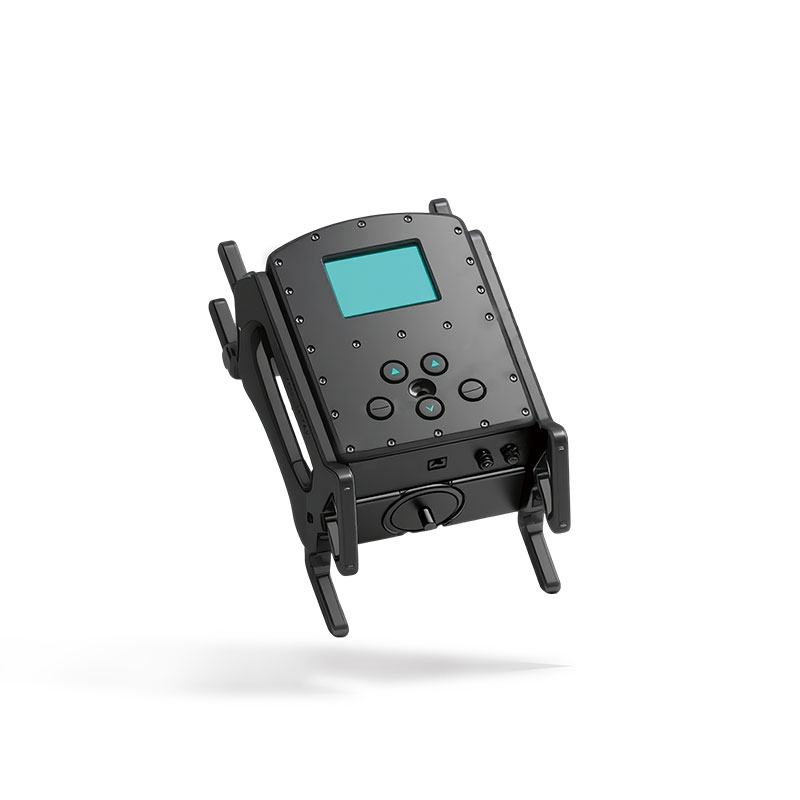 DIVER 104
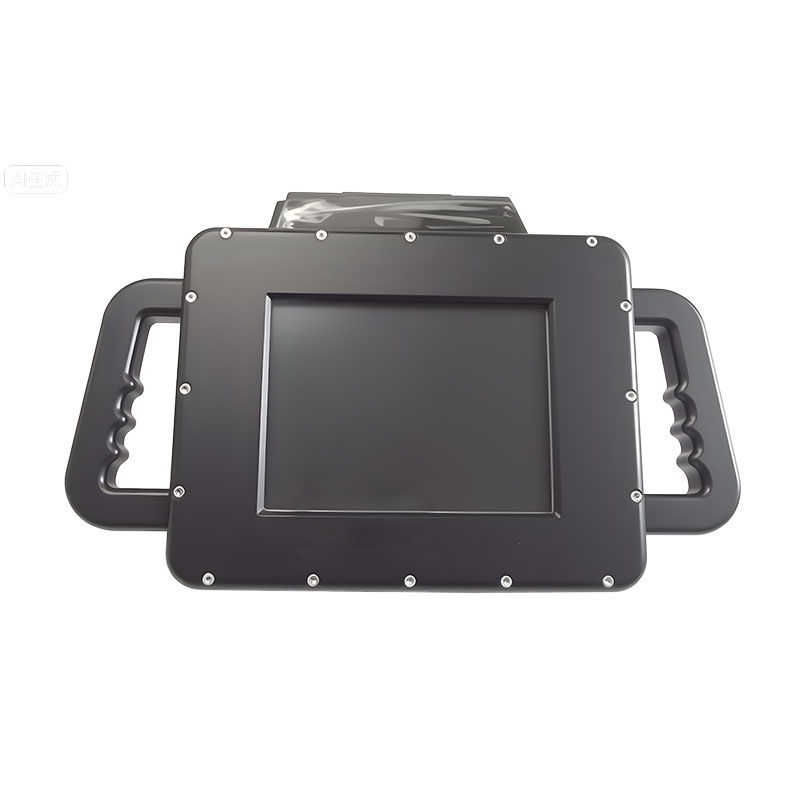 DIVER 105
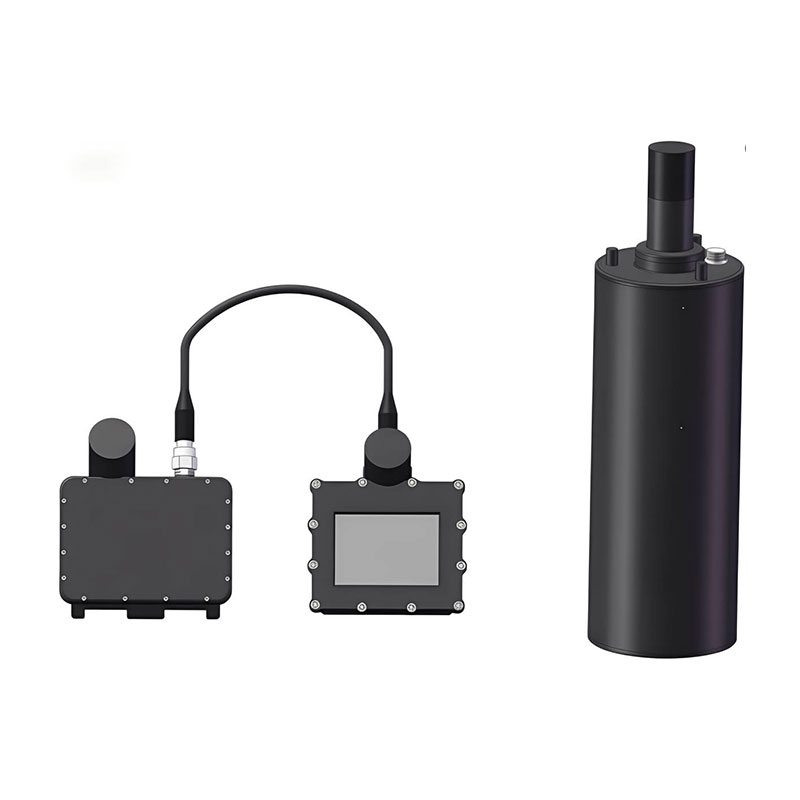 DIVER 106
 SLLR3000
 SLLR905
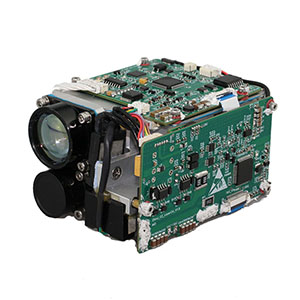 SLLD25
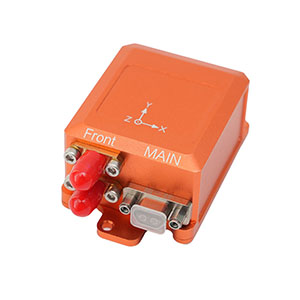 160M
160M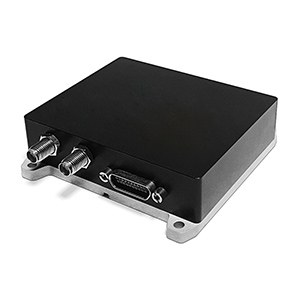 170M
170M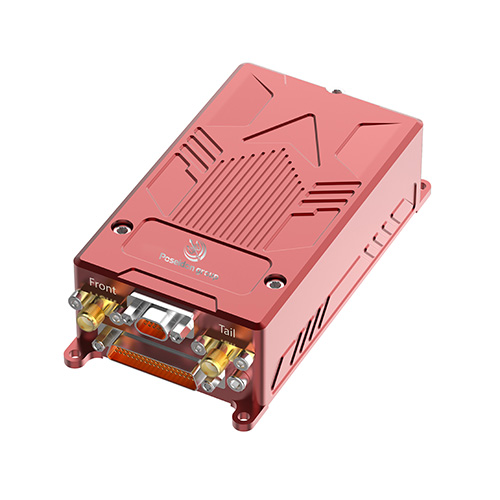 SLFC-70
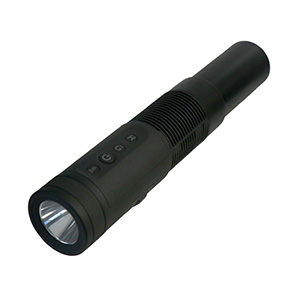 SLAF280
 MR360
MR360